a16z
Andreessen Horowitz
Unbundling the BPO
AI can take on work companies once outsourced, from invoice reconciliation to customer support. Kimberly Tan explains what it takes to deliver the result.
Read the essay


About
Built on frontier AI, deployed on your most important work.
Marijn Brussel — Co-founder and CTO
Autonomy for every business.
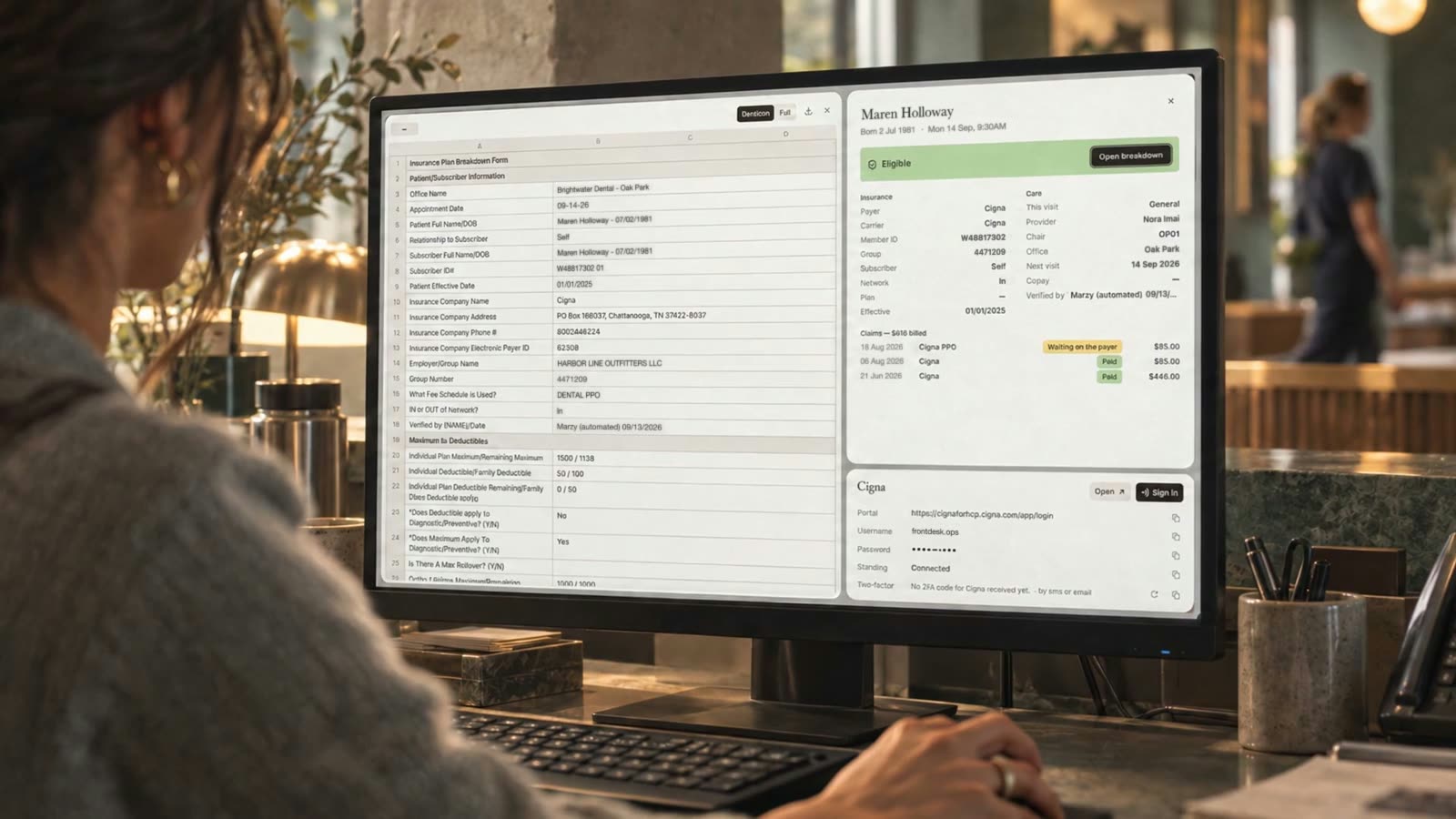
Most of what happens inside a business isn’t the business. It’s retyping a number from one screen into another, chasing a form that didn’t arrive, and checking what somebody already checked.
Software should do that part. People should do the rest.
So that’s what we build: the automation that runs the boring middle of a company. The owner gets time back. So does everyone who works there, for the parts of the job that need a human. Judgment. Taste. The customer on the phone.
Work gets more fun, too. Nobody started a company for the data entry.
Our designers, engineers, and operators work beside the people who do the job at small and midmarket companies. Then we build the AI that takes the retyping off their desks.
Mulholland team members, past and present, have worked or partnered with:









Engineering and data
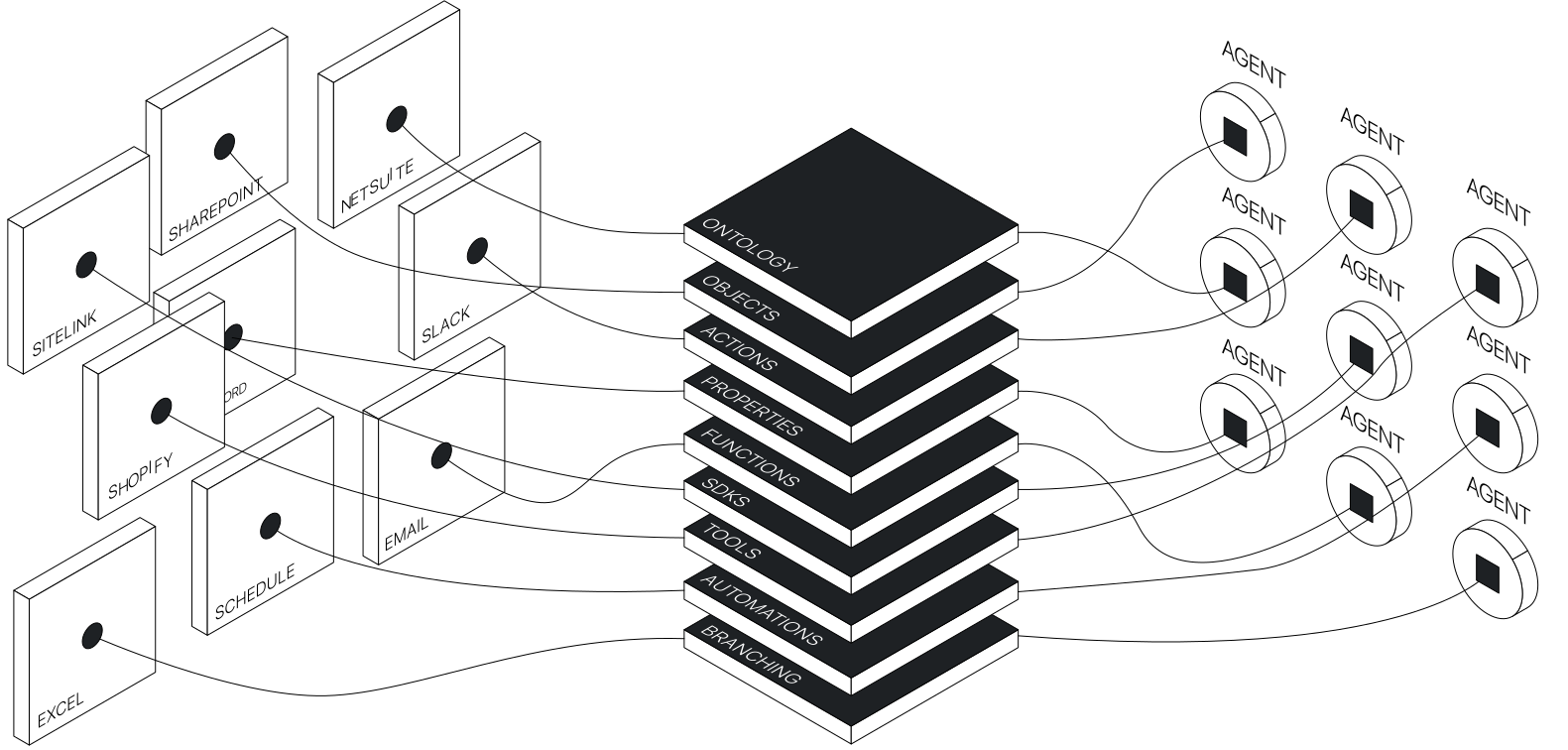
A customer can have three names across three systems. A price can be current in one spreadsheet and wrong in another. Giving an agent access doesn’t settle the argument.
Much of our work is traditional software engineering, now with coding agents. We connect systems, write tests, and build the data pipelines the job needs.
From data to action
A continuous production line in six stations. Inputs: source documents and stored data arrive together. Clean: standing sheets represent fields being organized and checked. Records: linked record blocks retain their source pages. Rules: layered grids represent coded business rules and tests, with an exception left open. Action: an agent works over the belt within a dashed permission boundary. Review: a person reviews the resulting records beside source papers and a change receipt. Pink marks show data moving through the line.
We use data science and data mining to find useful fields, remove duplicate entries, and spot gaps that would leave an agent guessing. Then we link the clean records, keep their sources, and restrict who can read them.
We turn business rules into code and test the exceptions. Calculations, permissions, and approval steps give the agent something firmer than a prompt.
The agent works from those records and rules, within the access we give it. People review the steps that need judgment, and each change leaves a record.
Further reading
Two perspectives on building services around the work AI can do.
a16z
Andreessen Horowitz
AI can take on work companies once outsourced, from invoice reconciliation to customer support. Kimberly Tan explains what it takes to deliver the result.
Bain Capital
Ventures
Faster contract review can help a business close deals sooner. Bain Capital Ventures makes the case for charging for completed work.
Start with evidence.
We work alongside the people doing the job. We map the process, the systems, the exceptions, and the hours lost between them. You bring representative documents, one workflow, and the people who know it best.
The prototype comes first.
We start with one real workflow and a prototype that works. Your team tries the decisions it makes and changes them, working directly with our designers and engineers. The people who do the job shape it from the first walkthrough to launch.
Measure the whole job.
We connect the systems, agree on who approves what, and roll out the deployment. We take a baseline with your team first, then measure the whole workflow again after launch. Preparation, review, exceptions, and corrections all count.